

Your family's
own museum
Bring the box of papers. Vitrine builds the tree, reads every document, and gives your family a guide that answers from your own records, citing each fact.
Read by AI · not yet checked
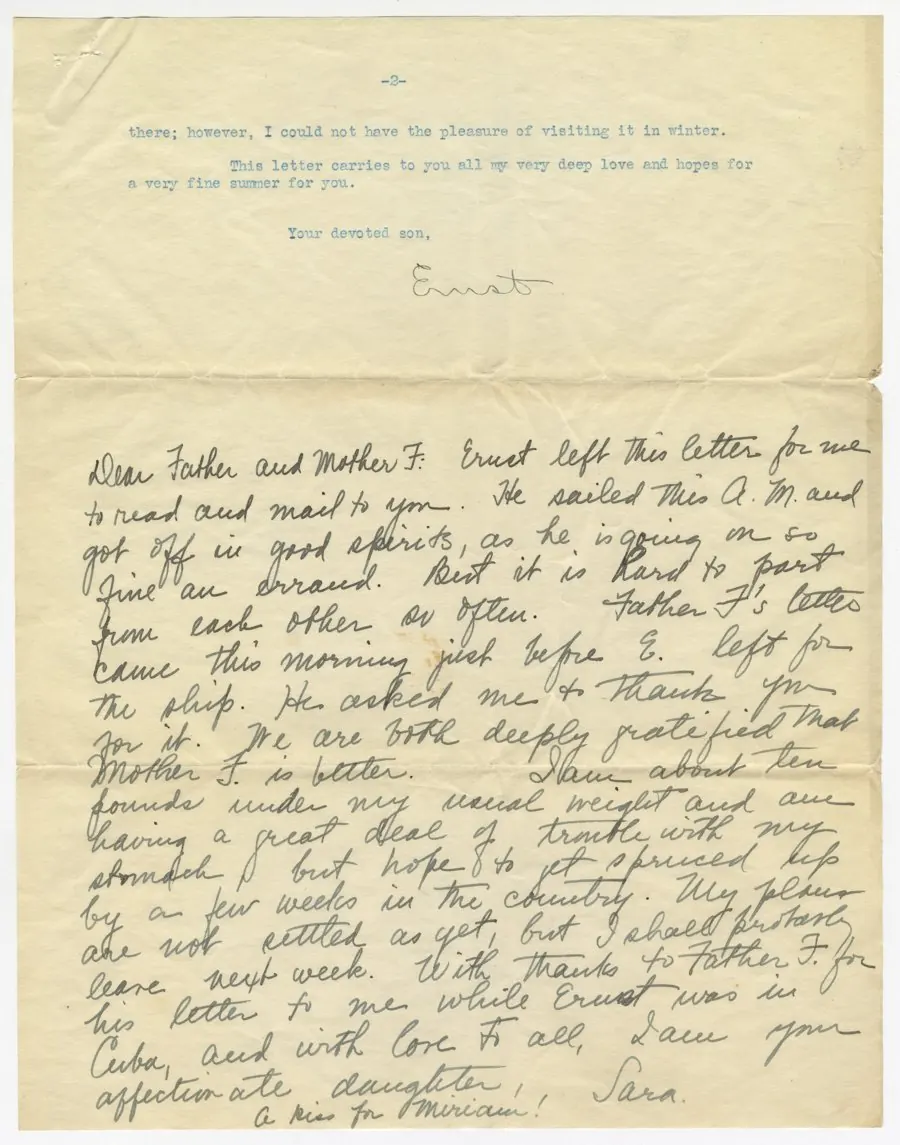
Letter from Sara, New York, 9 June 1925
Two hands on one sheet: typed by Ernst, written by Sara. Transcribed by the Reader.
“Ernst left this letter for me to read and mail to you. He sailed this A.M. and got off in good spirits…”
People found, linked to the tree as unreviewed
- Ernst, “your devoted son”, who sailed that morning
- Sara, who signs as their “affectionate daughter”
- Father and Mother F., to whom they write
- Miriam, sent a kiss
Places · New York, Cuba
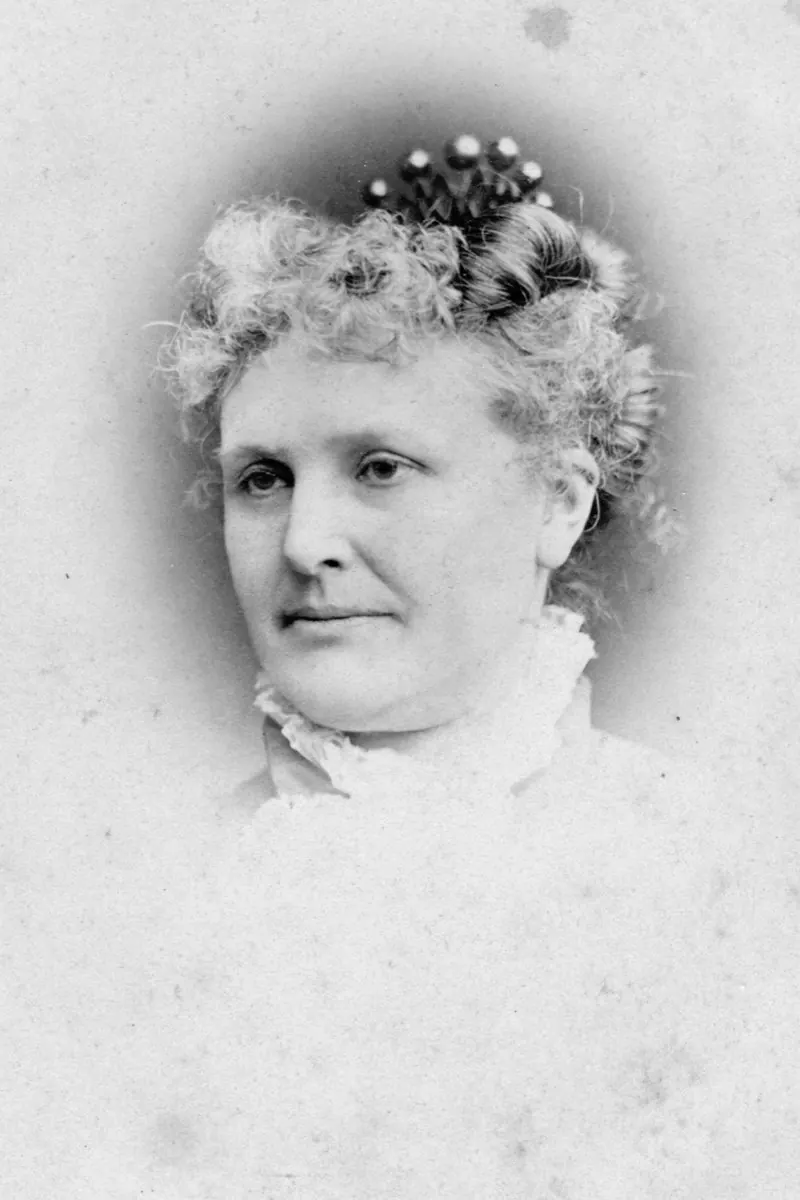
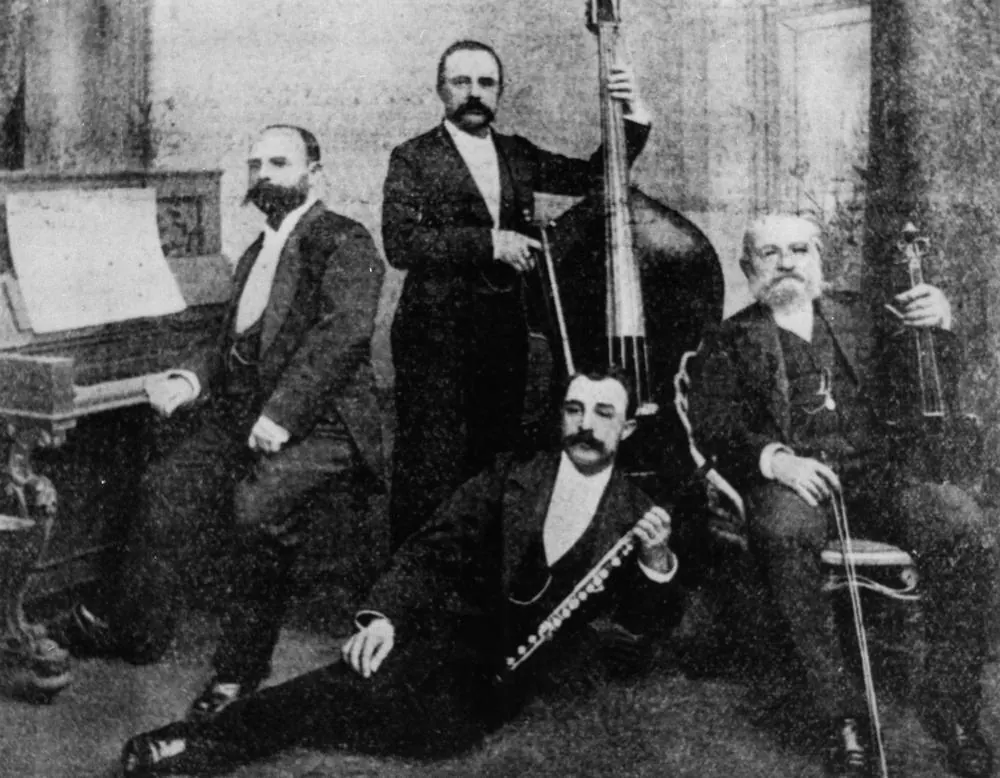
A tree centred on you
Open any page and it says how that person is related to you. Your cousin opens the same museum and finds themselves at the centre.
Royal Houses of Europe · seen from Queen Victoria
Three ways to look
Follow one line back, see every ancestor at once, or open the whole family with its in-laws and cousins.
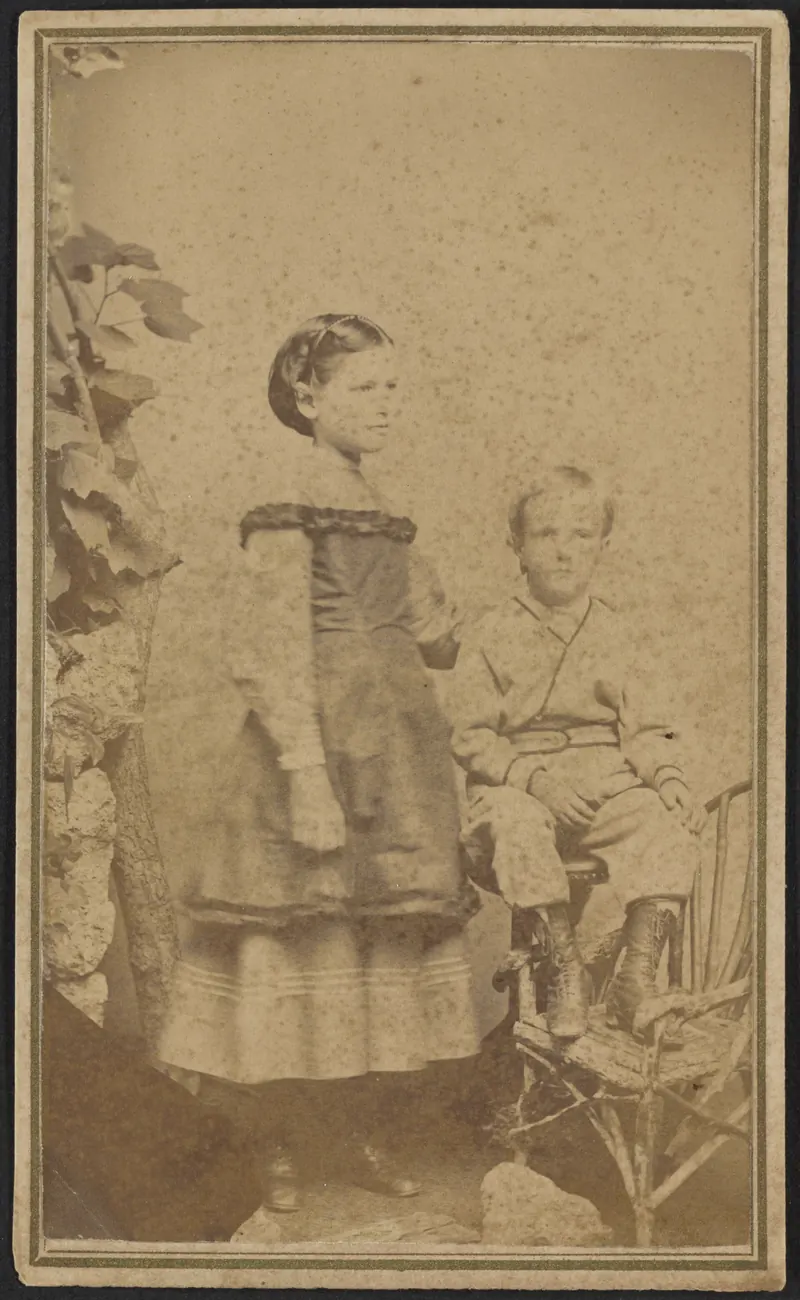
Living people stay private
A lock on every living relative: their dates, photographs and papers are seen only by family. Children see only what one of your family's curators approved.
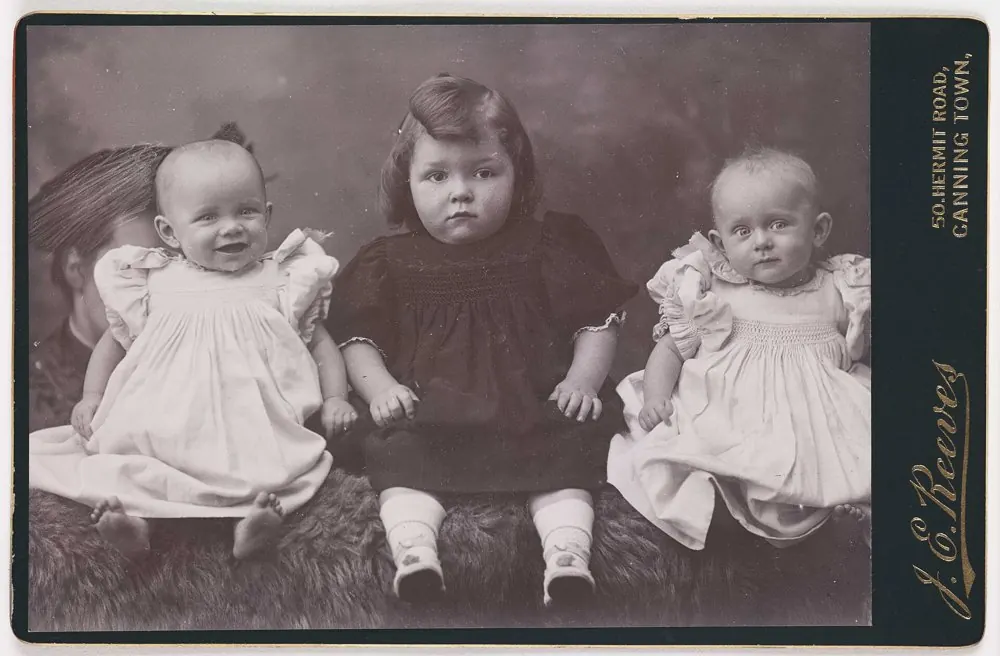
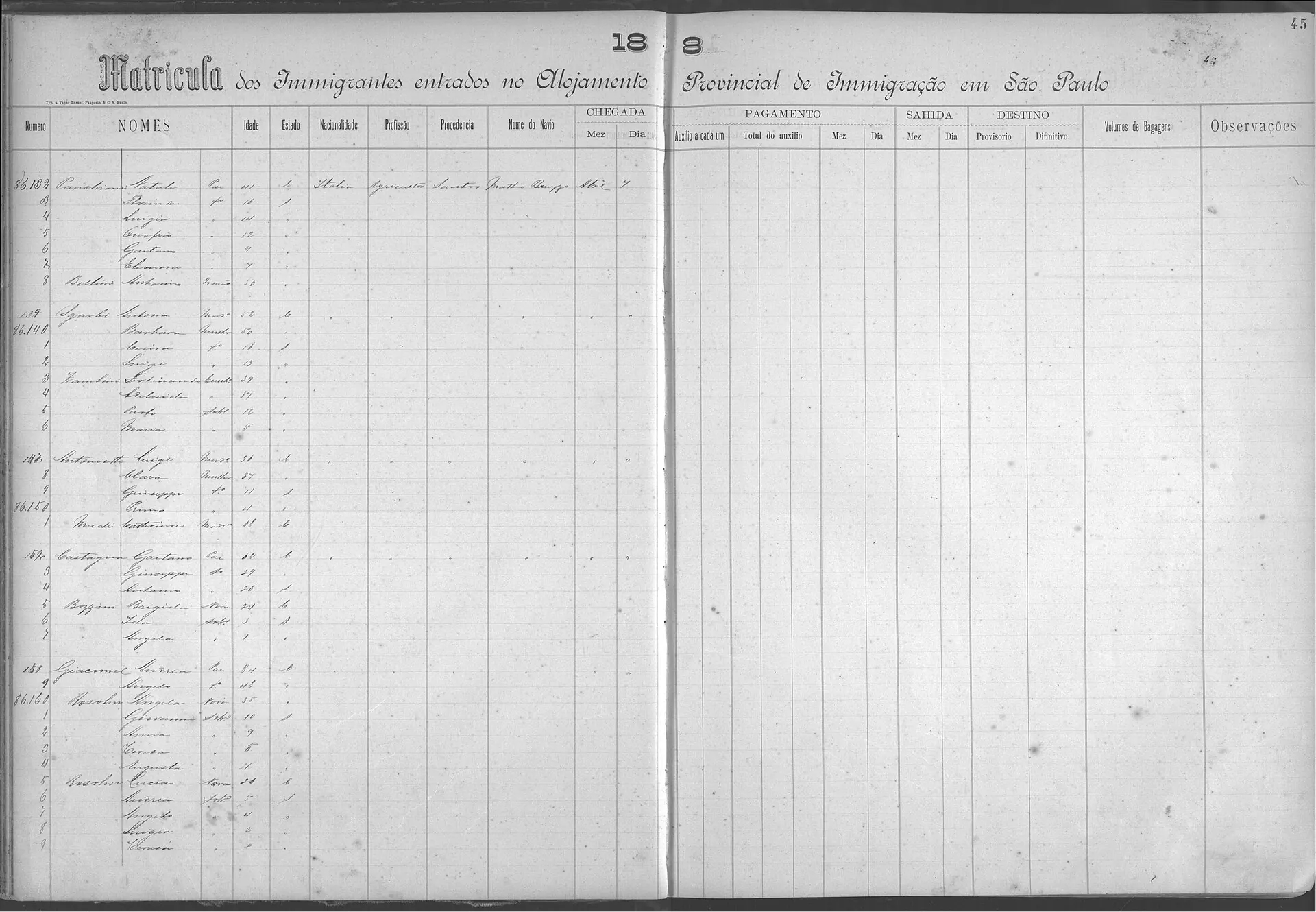
Every paper in the box, read
Photograph a letter, a certificate, an old card. The Reader writes out what it says, translates it and explains the old words. The people, dates and places it finds go into your tree marked “not yet checked”, until someone in your family confirms them.
These examples are public papers from Wikimedia Commons.
What the Reader found
Read by AI · not yet checked
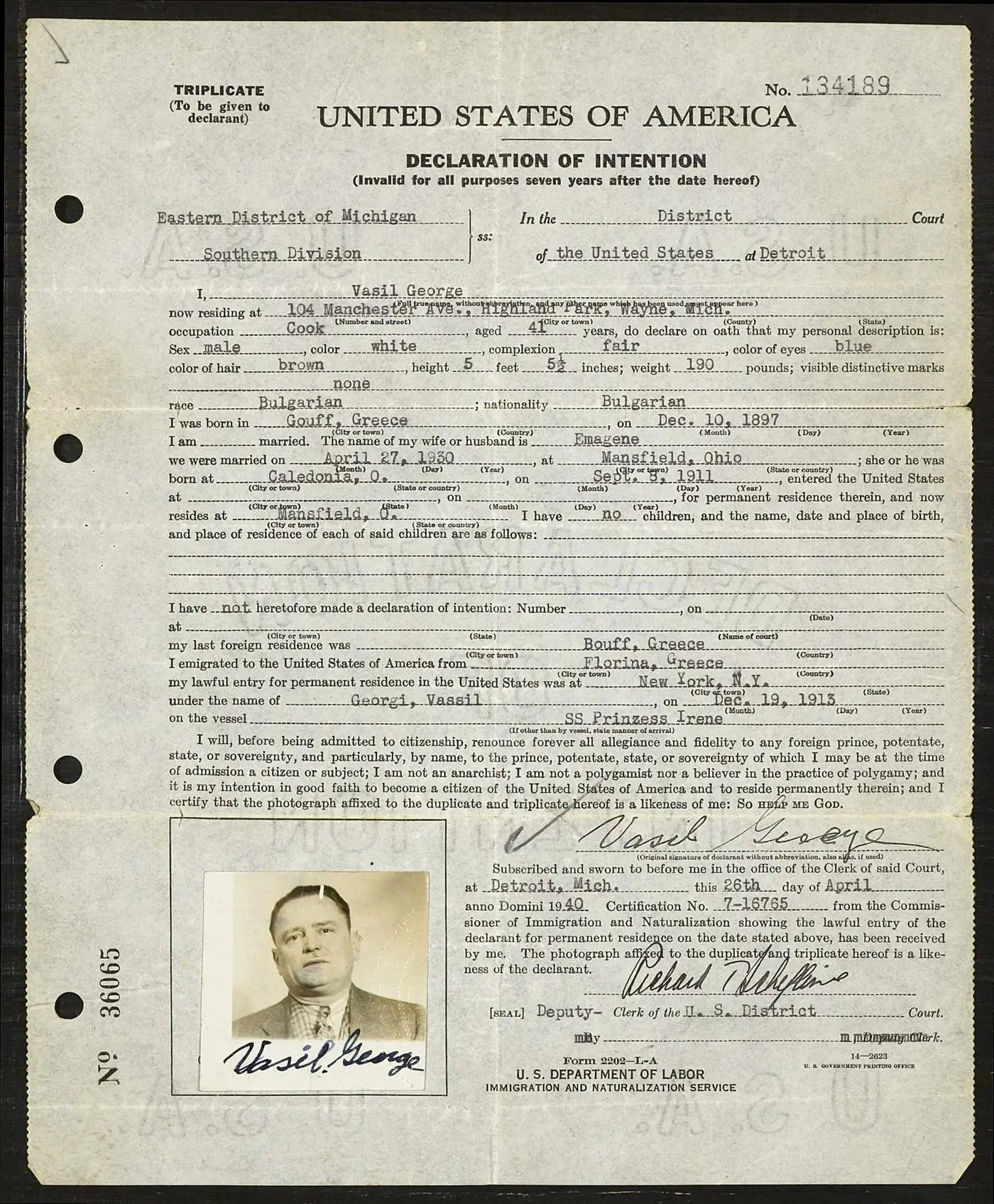
Typed on the form
- I was born in Gouff, Greece, on Dec. 10, 1897
- Born 10 December 1897 in Bouf, Greece
- The name of my wife is Emagene
- Married Emagene, 27 April 1930, in Mansfield, Ohio
- lawful entry … New York, N.Y. under the name of Georgi, Vassil
- Arrived in New York, 19 December 1913, as Vassil Georgi
- on the vessel SS Prinzess Irene
- Crossed on the SS Prinzess Irene
An old term · “Declaration of intention”: an immigrant’s first papers. The petition for citizenship came at least two years later.
Found in it, added to the tree as “not yet checked”
- Vasil George, born 1897; a cook in Highland Park, Michigan
- Emagene, his wife, born 1911 in Caledonia, Ohio
- His village is typed “Gouff” here and “Bouff” below: we think both are Bouf, in Greece
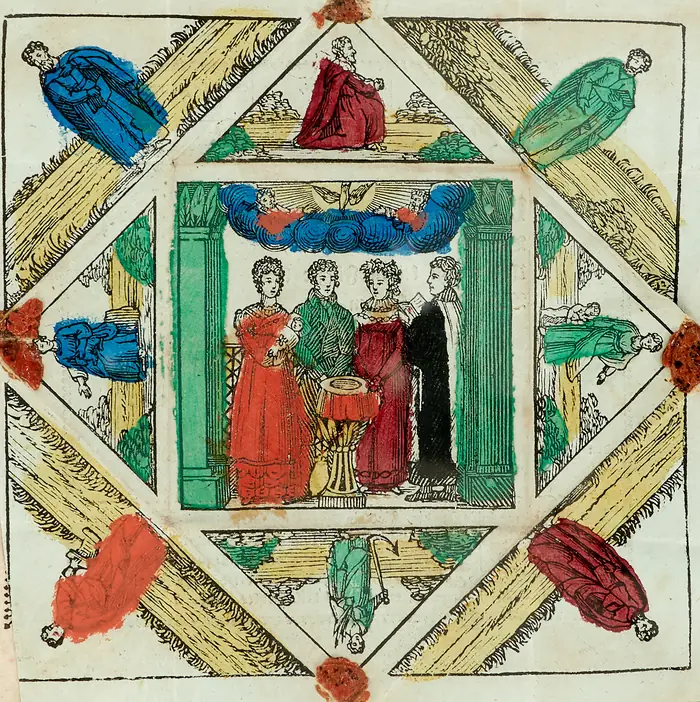
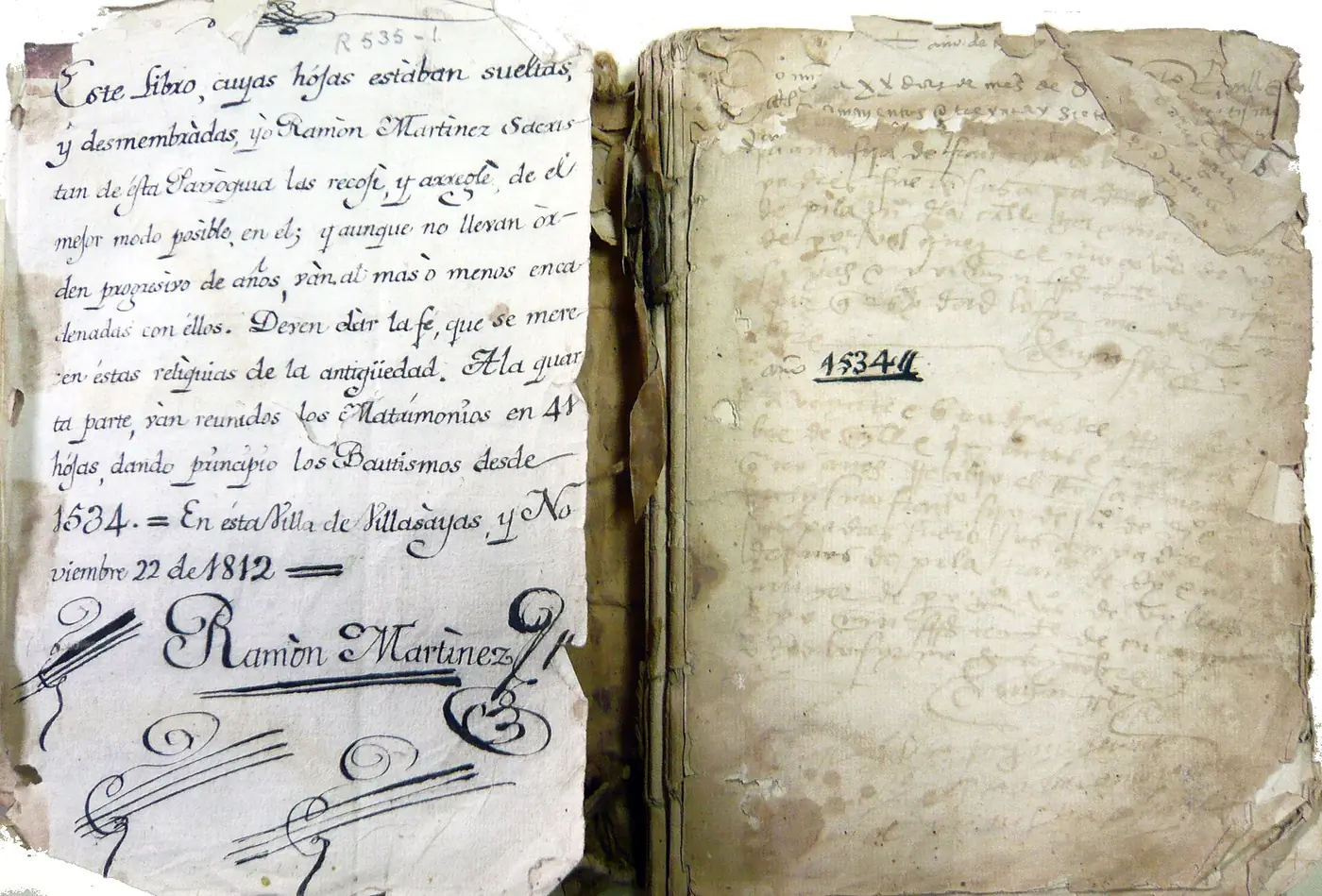
Parish register of Villasayas, Spain
Kept from 1534 to 1812 · read page by page
A curator, someone in your family you chose, compares the reading with the page. What they confirm gets the Registro stamp. Curators are always family, never Vitrine staff.
The AI never stamps its own reading.
Ask the guide
It answers from your museum's own records and cites every fact. It says how sure it is, and when the records don't say, it says so. For the world around them, it looks up the history and keeps the passage that says it.
The guide · Royal Houses of Europe
Answers only from the archive, with sources.
Who were Queen Victoria's parents, and where was each born?
Queen Victoria’s parents were Prince Edward, Duke of Kent and Strathearn, born at Buckingham Palace, and Princess Victoria of Saxe-Coburg-Saalfeld, born in Coburg. Their birth details are marked probable in the collection. 1Birth · 2 Nov 1767, Buckingham Palace · Probable2Birth · 17 Aug 1786, Coburg · Probable
A real answer from the royal demo's guide, asked on October 27, 2026 with GPT-6 Luna, shown as it was written: open a numbered source to see the record behind it. It used 2 tools · 2 sources.
Or bring your own agent
Connect your own Claude or ChatGPT to your family's museum. It reads what you may read and proposes changes for your family's curators to decide, under the same permissions. Children and guests never can.
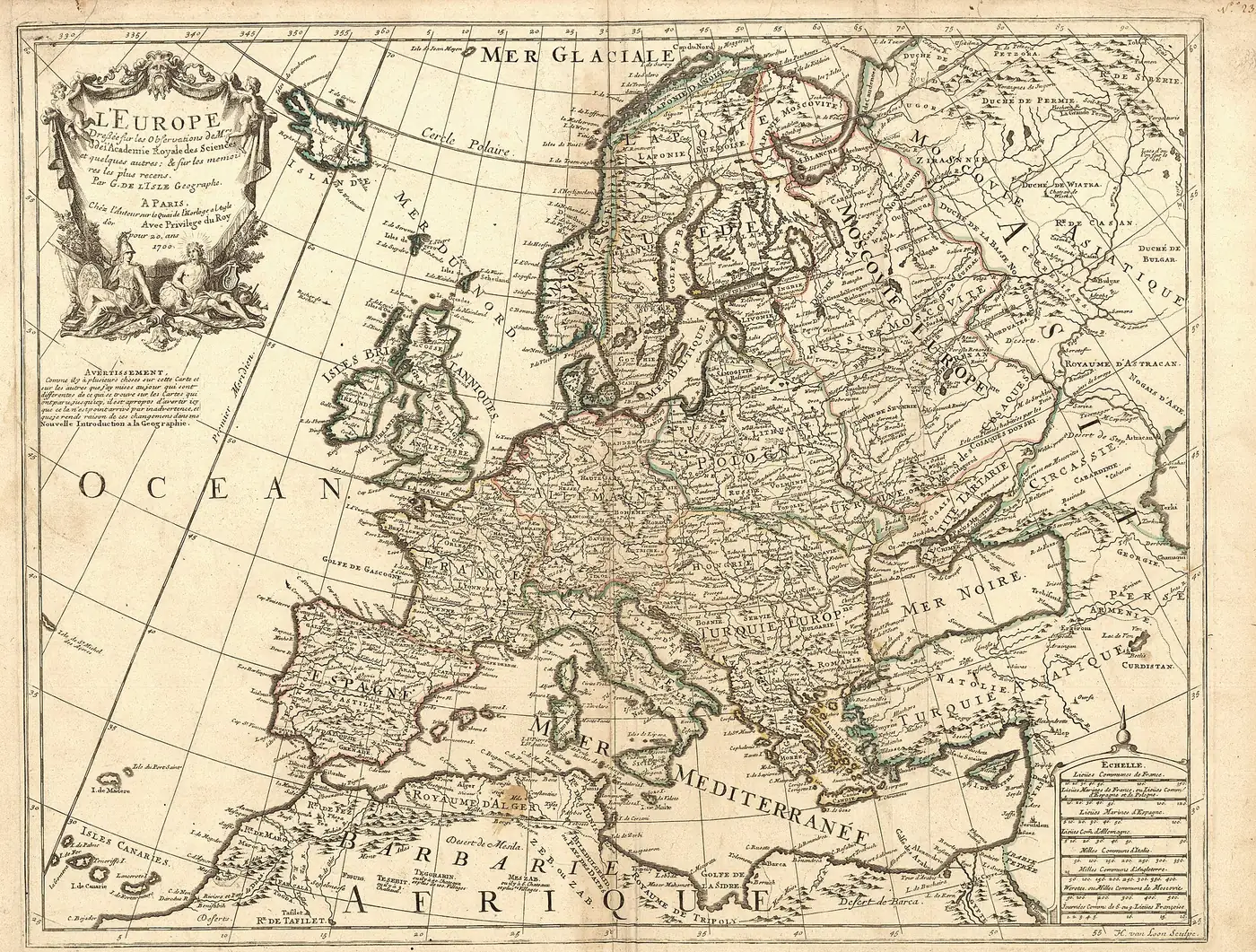
Where they came from
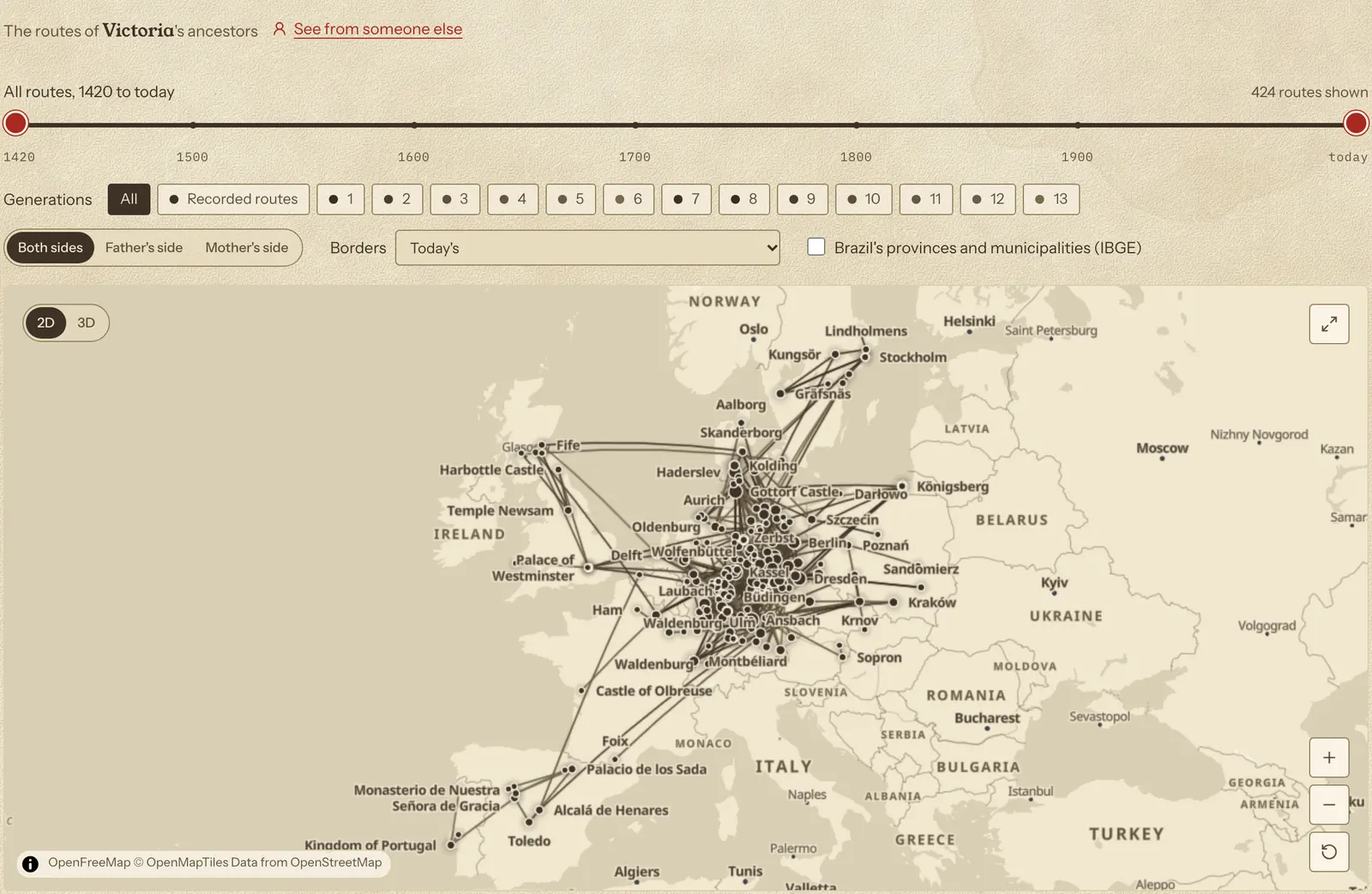
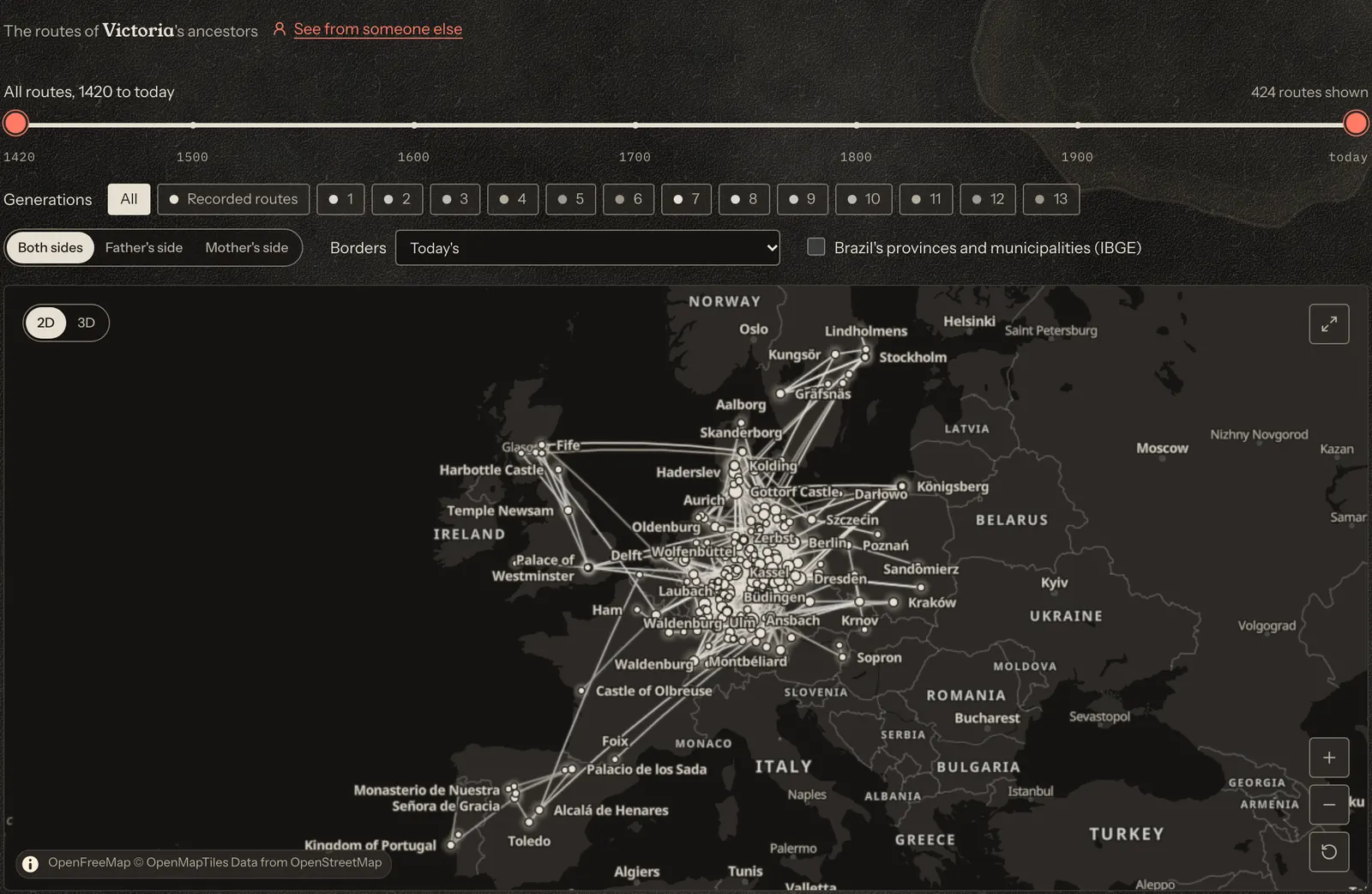
Every birthplace goes on the map, and each move from a parent's birthplace to a child's becomes a route, generation by generation. Pick the years, the generations, one side of the family, or the borders of the time.
What was it like? London, 1819
A Snapshot of London Life Around 1819
A 1817 walk offers a snapshot close to 1819: in St James’s Park, Richard Phillips saw 100 mothers, nurses and other adults with as many children, drawn by milk warm from the cow; he estimated that 16,000 people passed to and from London each day between 8 a.m. and 6 p.m., within seven miles. A Regency-era account describes lively street life, including ceremonies and poor people persistently asking the better-off for payment; it also says 20,000 visitors attended the Watercolour Society’s annual exhibition around 1810.
“On my entrance into the park, I was amused and interested by an assemblage of 100 mothers, nurses, and valetudinarians, accompanied by as many children, who are drawn together at this hour every fine morning by the metropolitan luxury of milk warm from the cow. I remarked that few were walking in my direction; but that all the faces and foot-steps were earnestly directed towards London.”
Found on the web · londonist.com · 1 more source · not yet reviewed
How it starts
First, your surnames
The names you and your parents carry are enough to begin.
Or a GEDCOM file
Start from yourself and grow it, or bring the file another genealogy site exports.
0 @I1@ INDI
1 NAME Vasil /George/
2 NAME Vassil /Georgi/
1 SEX M
1 BIRT
2 DATE 10 DEC 1897
2 PLAC Bouf, Greece
1 OCCU Cook
1 FAMS @F1@
0 @F1@ FAM
1 HUSB @I1@
1 WIFE @I2@
1 MARR
2 DATE 27 APR 1930
2 PLAC Mansfield, Ohio
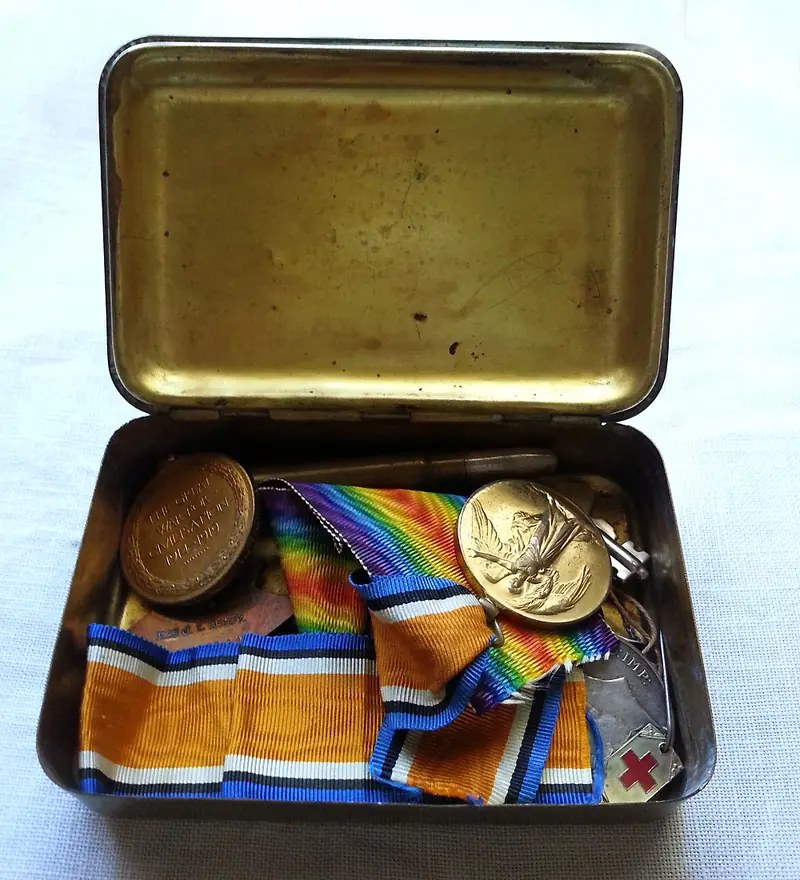
Then the box of papers
Photographs, letters, certificates, medals: whatever the family kept, even the damaged.
Your curators check
What the Reader finds waits, unreviewed, until a relative your family chose as curator confirms it.
Checked against the declaration
Vasil George
Birth
10 December 1897, Bouf, Greece
Arrival
19 December 1913, New York
Invite your relatives
Each one sees the tree from where they stand. Living people and private documents stay among family.
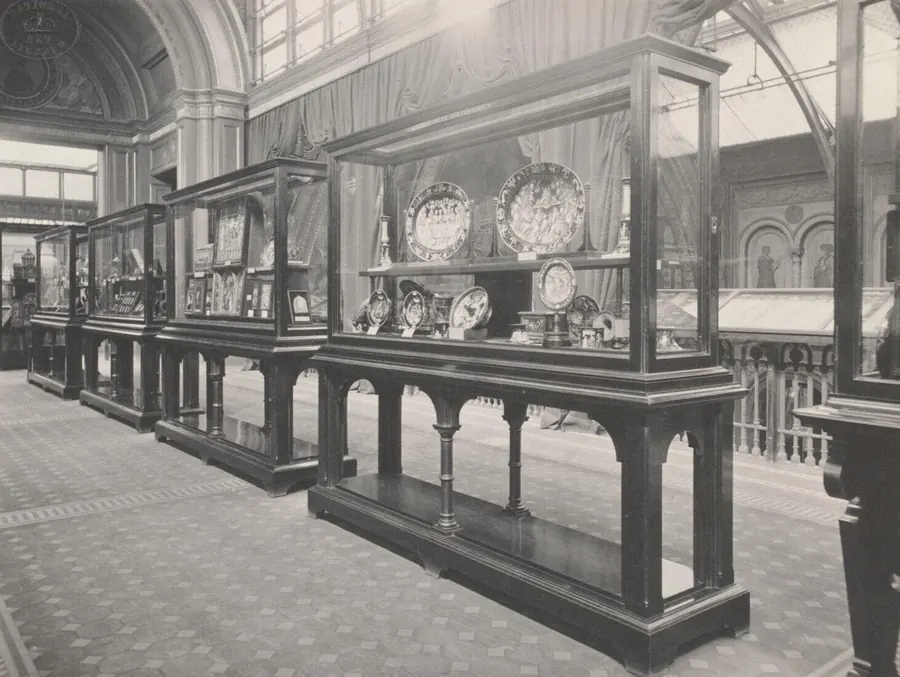
And it is a museum
Pages made for whoever is looking, in Portuguese or English. Coming next: ask an elder, who answers by recording.
See one already built
Royal Houses of Europe: 6,678 people, 19 generations, 2,435 places, built the same way yours would be.
Open the demoLook someone up in the demo
Kings, queens and their families from five centuries. Family museums are private: members sign in to search theirs.
Request your family's museum
Send us the surnames. We write back to set up a private museum for your family, opened only to the relatives you invite. Your family chooses its own curators.
Have an invitation? Sign in